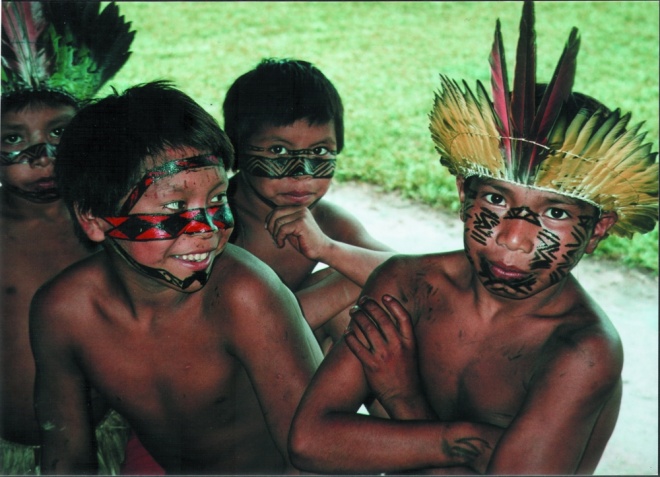
The relationship between indigenous communities and the rainforest is ancient, profound, and inseparable from the forest's survival. This section explores who the indigenous peoples of the rainforest are, how deforestation affects them, and why their role in conservation is so significant.

Who are the indigenous peoples of the rainforest, and how do they live?

Indigenous peoples have been living in harmony with the rainforest for thousands of years, depending on it for their food, shelter and medicines. Ancestral indigenous knowledge and understanding of their natural environments is second to none. Globally there are an estimated 5000 indigenous groups across the World, many speaking their own languages. The majority of uncontacted indigenous peoples are in South America, most of those in Amazonia.

Illustrating the immense depth of indigenous understanding of the rainforest, 25% of pharmaceuticals used in modern medicine are derived from rainforest species, many of which would remain unknown if not for the traditional knowledge of indigenous peoples. Rainforest plant-derived medicines include:

  • Quinine - an antimalarial derived from Andean cinchona bark, known to the Quechua people for centuries.

  • Tubocurarine - a surgical muscle relaxant derived from Amazonian curare lianas, originally used by indigenous peoples as arrow poison.

  • Pilocarpine - a glaucoma treatment derived from the jaborandi plant of the Amazon, used medicinally by the Guarani people of Brazil since at least the 1500s and now listed on the WHO's ‘Model List of Essential Medicines’.

Land grabbing and development force indigenous people from their homes to unfamiliar places, often into poverty. Thousands of indigenous people have been killed in disputes with illegal loggers, miners, other extractive activities and by the introduction of foreign diseases. Rainforest Concern has partnered with indigenous communities for decades, for instance in the Xingu region since 2000.

How does deforestation affect indigenous communities?

Approximately 1.5 million indigenous people live in the Amazon rainforest, across over 350 distinct ethnic groups. For all of them the forest is the foundation of their home, food, medicine, culture, and identity. Deforestation strips these communities of their ancestral lands, destroys their food and medicinal resources, and exposes them to violence: in 2023, 43% of all land and environmental defenders killed worldwide were indigenous people (Global Witness), despite indigenous peoples making up only around 6% of the global population. The destruction of rainforests is therefore both an ecological crisis and a human rights crisis.

Forest loss is directly linked to increased malnutrition among indigenous populations, as a significant portion of their food and balanced diets comes from natural forest products. The WHO notes that approximately 80% of the population in developing countries relies on traditional medicine based on forest plants, and that deforestation is destroying the natural pharmacies of indigenous peoples, many of whom live far from modern medical facilities. When indigenous people are forced to migrate to cities or urban areas they face poverty, discrimination, extreme vulnerability, and the loss of traditional skills. An International Labour Organisation study found that unemployment among indigenous peoples forced to leave their territories is on average three times higher than among the rest of the population. Forced movement also severs social ties, leading to the growth of alcoholism, domestic violence and suicide. The harm is beyond physical; when forests are cut down sacred sites, rituals, and ancestral spiritual connections with nature are destroyed irreparably the core of indigenous communities.

Rainforest Concern recognises that indigenous peoples are the most effective long-term stewards of rainforest land. Rainforest Concern has worked in direct partnership with indigenous and local communities since our foundation.

Can supporting indigenous communities help save rainforests? What is the relationship between indigenous land rights and rainforest protection?

Evidence shows that forests legally titled to indigenous peoples are among the most effectively protected on Earth, with deforestation rates significantly lower than on unprotected land. Between 1985 and 2020, 90% of Amazon deforestation occurred outside indigenous lands. Just 1.2% of native vegetation was lost within them over that 35-year period (MapBiomas).

Securing indigenous land rights is a humanitarian need and one of the most cost-effective and evidence-based conservation strategies possible. Rainforest Concern recognises this, and has worked to secure land rights for indigenous peoples for decades. This includes integral support for the creation of Colombia’s Yaigojé Apaporis National Park of 1.1 million hectares of rainforest, created for and managed by the local indigenous population. We continue to advocate for and support indigenous communities and their forests.

Closeui-chevron-nextui-chevron-prev