T Xinguphoto2

Brazil Xingu Firefighters

We are directly funding the Xingu Indigenous Brigade for the 2026 Fire Season, and we will also be supporting them through a dedicated Big Give Christmas Campaign for the 2027 Fire Season.

Summary

Rainforest Concern is supporting indigenous communities on the Xingu River (Brazil) in fighting the wildfires which threaten their villages and ancestral forests.

Rainforest Concern has been supporting indigenous community projects in the Xingu region since 2000.
Region

The Xingu River is a major tributary of the Amazon, running 2,700km through the centre of Brazil. The Xingu runs through the Xingu Indigenous Territory (TIX), which covers 26,420km² and comprises three ecologically important biomes: rainforest, transition forest and cerrado tropical savannah.

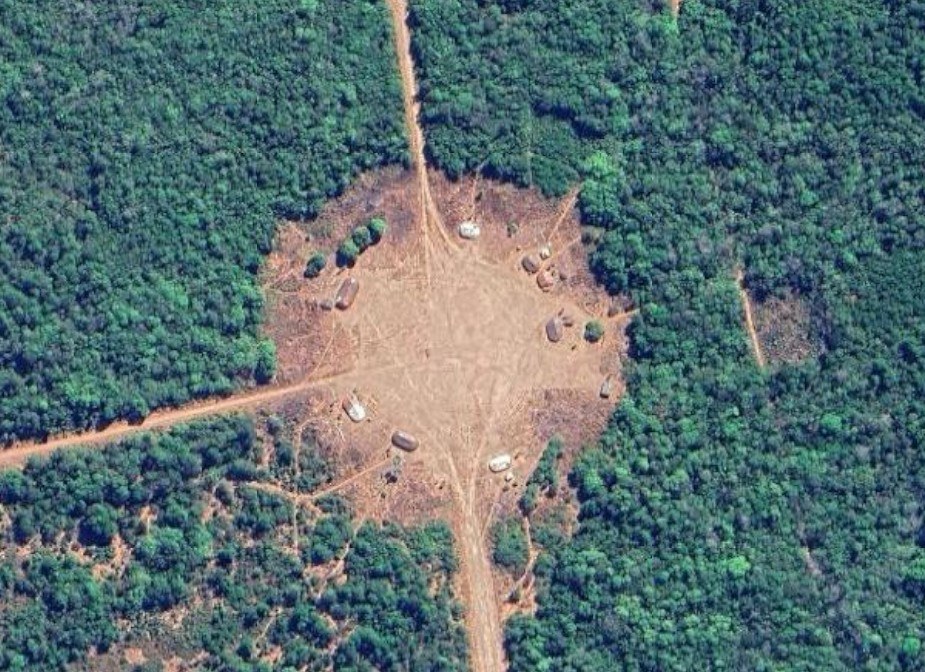
The TIX is inhabited by approximately 3,300 people of distinct indigenous groups, each with their own millennia-old traditions. They live in small communities (average ~200 people) and are intimately connected to their natural environment:

Aerial view: An indigenous community of the Xingu Indigenous Territory

Threat

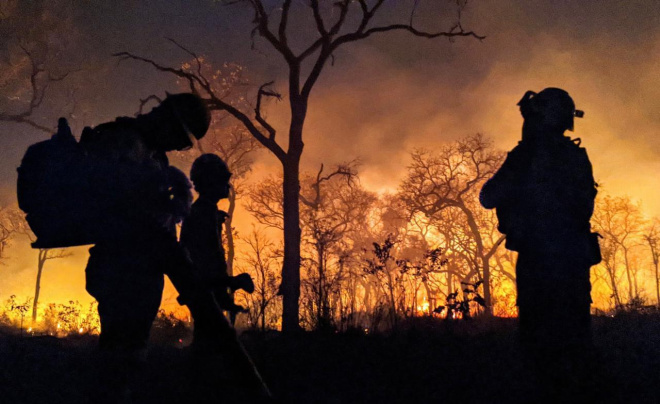
The TIX’s indigenous communities and biodiversity are severely threatened by wildfires. Sickeningly, illegal fires are being set to clear forest for agriculture outside the reserve and even with the intention to intimidate indigenous communities. These grow into wildfires, which then spread into the indigenous territory. Climate change has made the dry season hotter, drier and longer, hence wildfires are increasing in frequency and intensity.

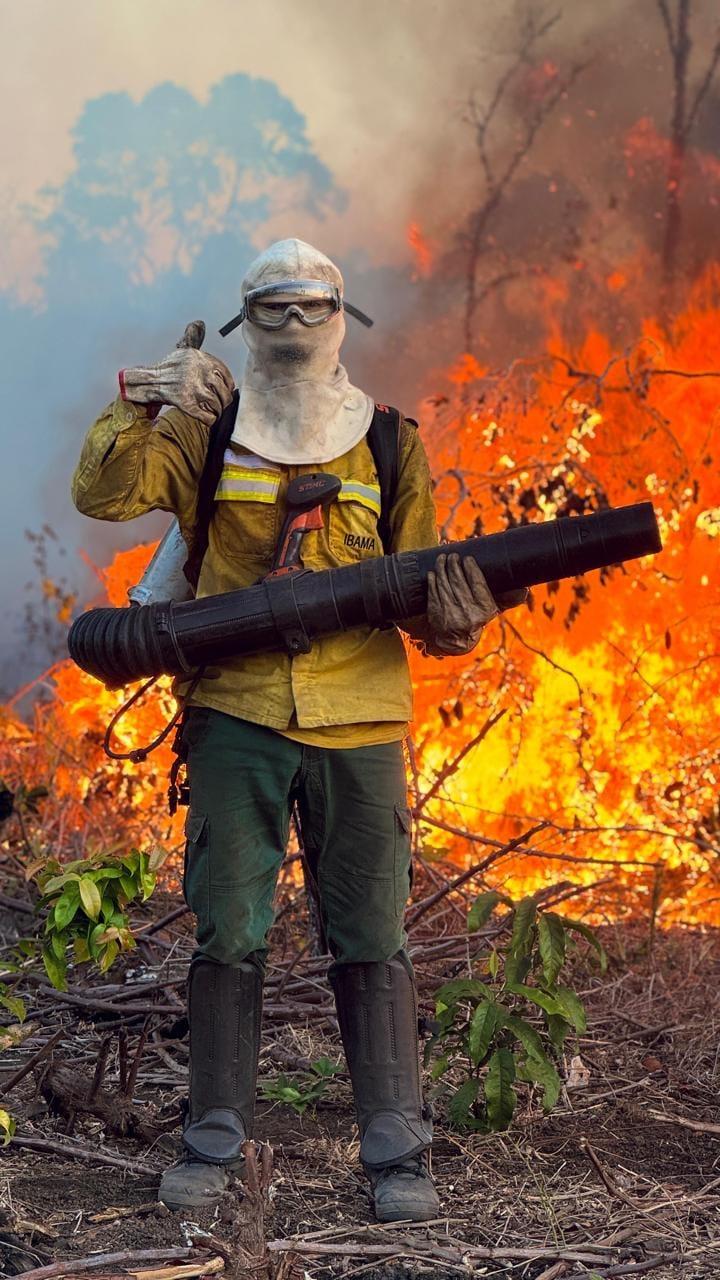
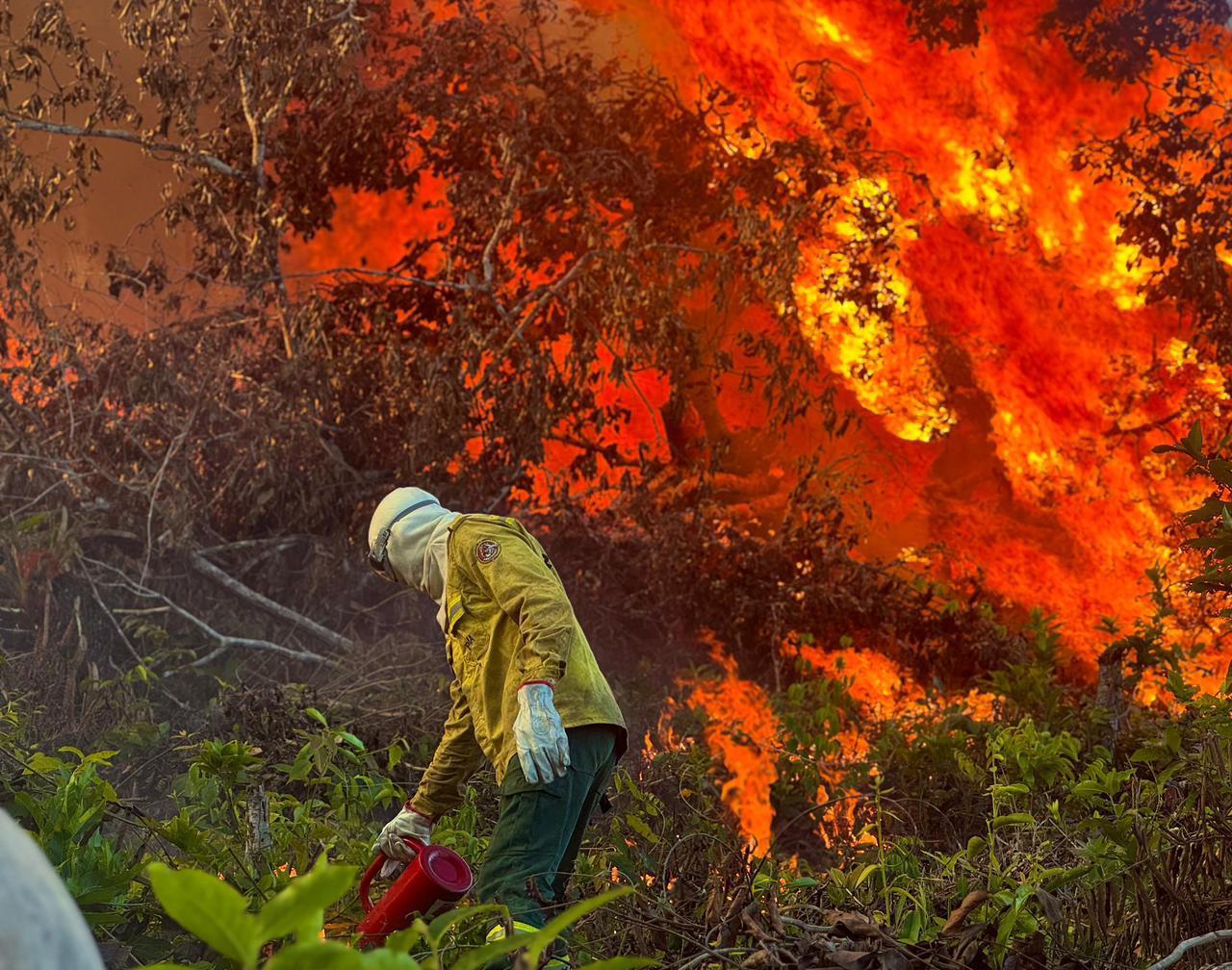
Image (Takumã Kuikuro): A volunteer firefighter of the Xingu Indigenous Territory

The Indigenous Firefighters

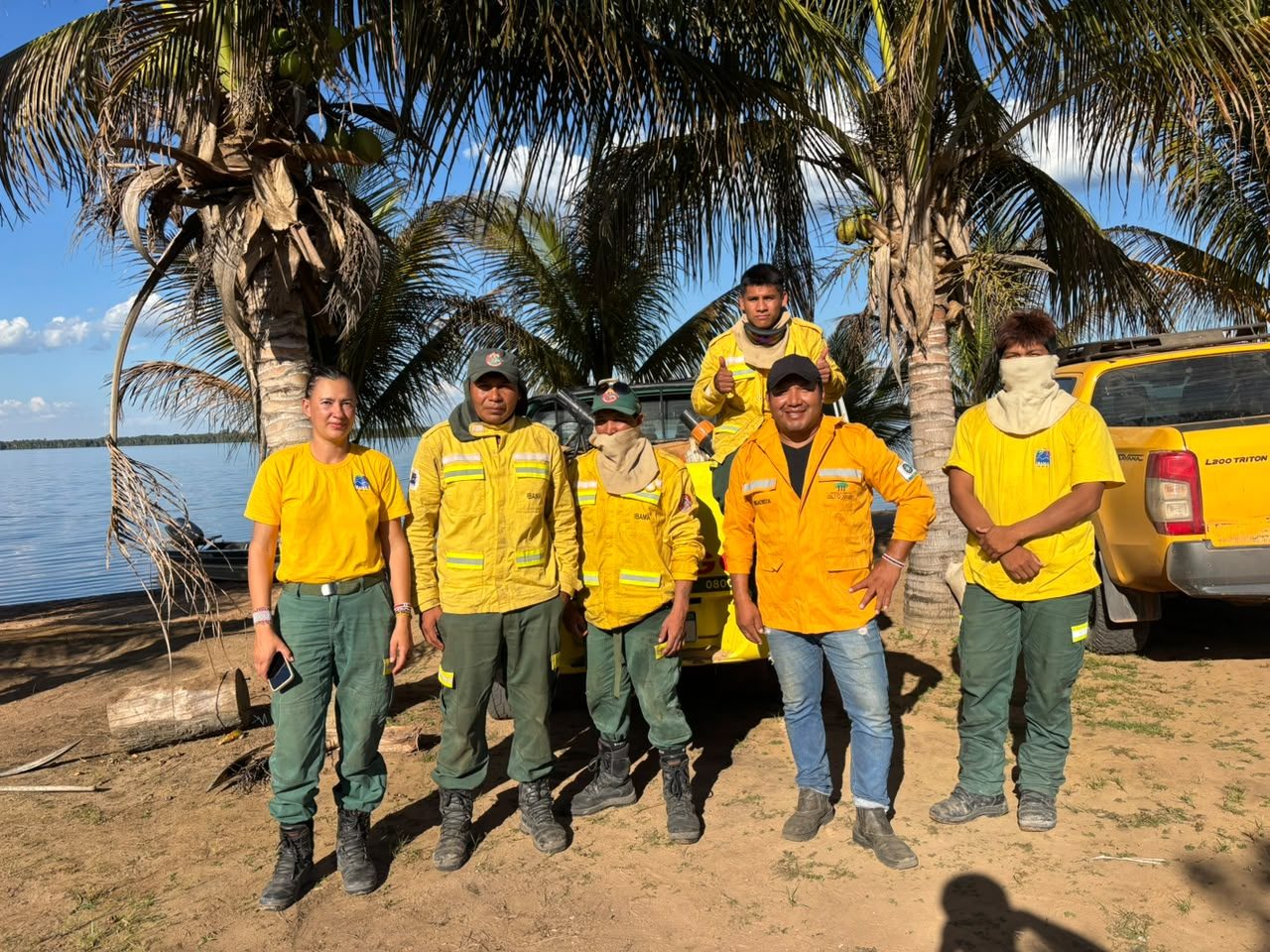
Takumã Kuikuro, a member of the indigenous Kuikuro people, founded and is leading the Indigenous Volunteer Brigade in fighting fires in the Upper Xingu. The brigade has grown to include members from multiple indigenous groups: Kuikuro, Kalapalo, Kamaiura, Matipu, Nahukwa, Khisedje. The indigenous brigade are all volunteers; without their efforts, their communities and ancestral forests would be destroyed.

Image (Takumã Kuikuro): A group of indigenous firefighters

Currently the firefighters are fighting to protect their homes and ancestral forests using old, often substandard and unsafe equipment and protective clothing; some have fought fires dressed in shorts and flip-flops. Our partnership will help the firefighters protect their communities, the forest and savannah they live in, and the many rare and endemic species the TIX contains.

Partnership

This project has two primary goals:

1) Increase the capacity of the Xingu indigenous communities to fight wildfires

2) Reduce wildfires in the TIX.

Image (Takumã Kuikuro): leafblowers can be used to force low-level fires away from dry plant material

The social outcomes of local capacity building to combat wildfires are immense. Able to launch a coordinated defence of their communities and environment from the fires, the 3,300 indigenous people in the target area will be able to continue their traditional ways of life, without every year being threatened with homelessness and poverty due to fire.

Image (Takumã Kuikuro): A traditional Kuikuro ceremony in Brigade Leader Takumã's community

Reducing the wildfires will also have major outcomes for biodiversity:

1. The TIX forest, transition forest and cerrado biomes will remain intact, minimizing biodiversity loss due to habitat fragmentation, patch size reduction, edge effects etc.

2. Protection of the TIX habitat mosaic will secure the futures of native species that rely on movement between habitat types.

3. The rich biodiversity of the region will be protected, including rare species

Biodiversity

The TIX is a legally protected refuge for the local indigenous groups, and thus also protects threatened species. It is exceptionally biodiverse. Therefore, fighting wildfires is of great conservation importance.

Species Spotlight

Giant otters (Endangered, IUCN) suffer across their native range from habitat destruction, fragmentation and direct persecution. At current deforestation rates, the Giant otter population is expected to drop by 50% from 2020 to 2045. If TIX wildfires are reduced, the ecologically intact TIX will remain a refuge for this species.

Image (Xavier Tobin): Giant otter

More Xingu Species

  • Unlike faster-moving species, the Giant armadillo (Vulnerable, IUCN) is particularly vulnerable to wildfires. The TIX is a refuge for this species; reducing wildfires in TIX will reduce Giant armadillo casualties.
     
  • Both the Utahicki saki monkey (Endangered, IUCN) and White-cheeked spider monkey (Endangered, IUCN) need intact forest habitat, and are thus directly threatened by the wildfires in the short and long terms due to habitat loss. The more forest habitat the firefighters can protect, the higher and thus more resilient the populations of Xingu primates.
     
  • More than 90% of the remaining ~17,000 mature Maned wolves (Near Threatened, IUCN) are in Brazil. A cerrado and transition forest specialist, in the last decade the species’ main habitats in Brazil have been subject to intense deforestation and conversion of cerrado to agriculture. In the Brazilian state of Mato Grosso, The TIX is a legally protected refuge for this species; the TIX’s preservation will be paramount to this species’ survival over the coming decades.
     
  • Uncontrolled TIX wildfires would impact Harpy eagles (Vulnerable, IUCN). The harpy eagle requires large (typically old) trees to nest. Although able to resist natural low-intensity fires, these trees are at great risk from the high intensity (climate change-exacerbated) wildfires that the TIX is starting to suffer from. Highly territorial, without sufficient nesting sites displaced harpies could violently compete for remaining appropriate nesting trees/territories, driving up casualties. With fewer nesting adults, the number of fledging chicks will drop. Containing and eliminating wildfires and thus preventing destruction of harpy eagle nesting trees will conserve this species on the Xingu.

Support this project directly

Should you wish to directly contribute to this project or learn more, please do not hesitate to contact [email protected]

As well as direct support for the 2026 Fire Season, Rainforest Concern will be supporting the Xingu Firefighters for the 2027 Fire Season through The Big Give Christmas Challenge, a matched funding campaign where donors can double their impact in the first week of December 2026.

Sign up to our newsletter to keep updated on the Firefighters' progress and receive more information on this and other fundraising campaigns.

Closeui-chevron-nextui-chevron-prev